

Ten years ago, a powerful video captured a young man with nonverbal autism running with his mother cheering passionately beside him. That young man was John Almeida, and his story has since inspired hundreds of families across Sacramento. At the time, John was struggling. Aging out of traditional support systems, he felt depressed and lost.
Neuroscientists have always been fascinated by the mysteries of autism spectrum disorder (ASD). Autism is a developmental disorder impacting roughly one in 36 children in the U.S. It affects how individuals communicate, learn, and interact socially. While there’s a growing understanding of this disorder, every study brings us one step closer to deciphering its mysteries.
The UC Davis MIND Institute has recently contributed to this complex picture by discovering fresh insights. Their recent research reveals insights into the connections between autism and genes associated with inflammation, immunity response, and neural connections.
The Study and its Aims
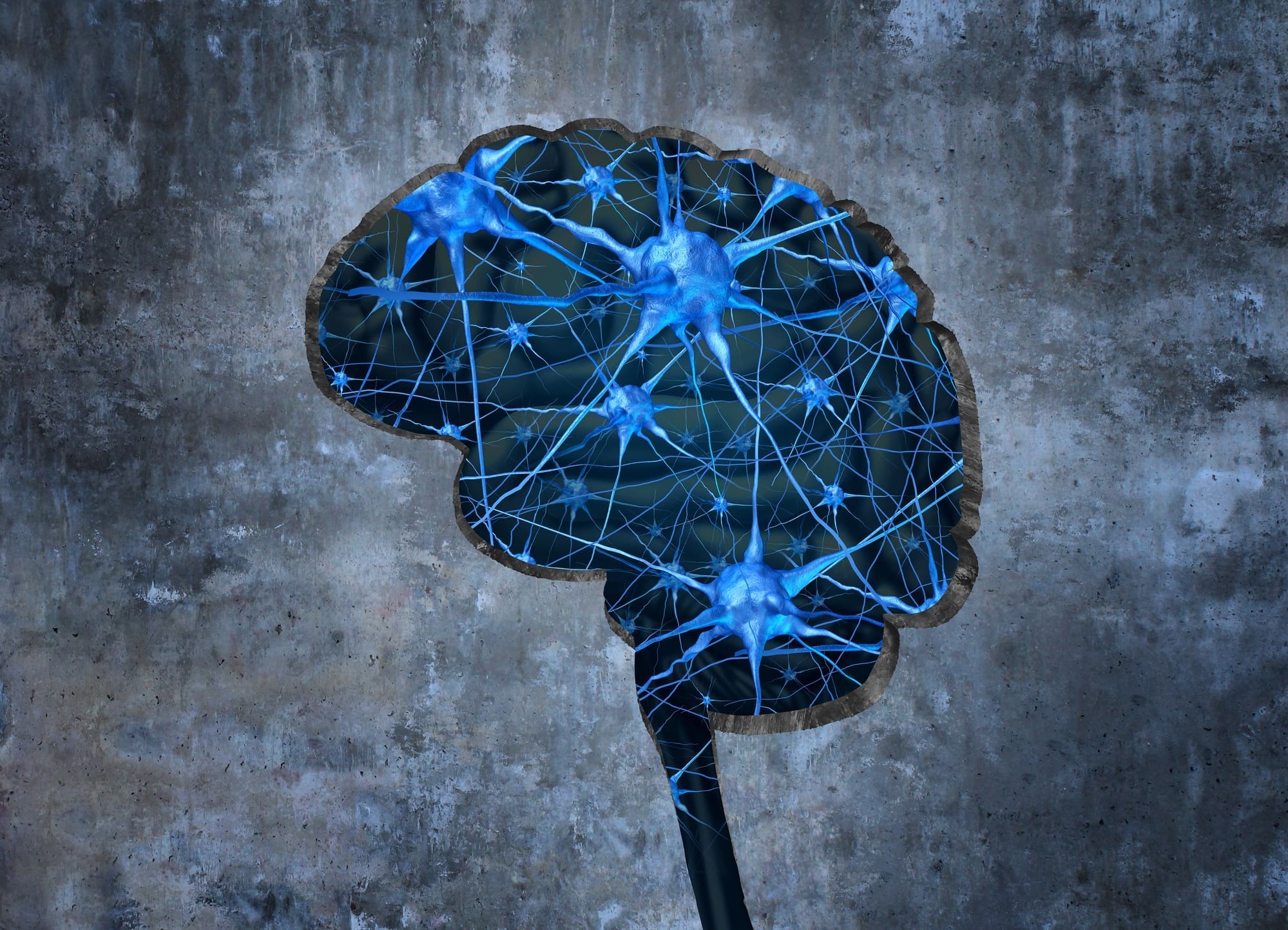
The UC Davis MIND Institute conducted an exhaustive study aiming to understand the communication between neurons in the brain and the interplay between age and autism. The findings were illuminating. The research highlighted distinct differences in gene behavior between those with autism and those with typical neurodevelopment.
“The brain of an individual with autism is a tapestry of complexities. Early signs point towards a neuron overload, followed by a gradual decline in volume, connectivity, and neuron densities as these individuals transition into adulthood,” comments Cynthia Schumann, co-senior author in this study.
Methodology Behind the Study
To gather accurate data, researchers dissected brain tissues from 59 individuals—27 with autism and 32 without. These samples were primarily taken from the brain’s superior temporal gyrus (STG) region. Sound, language, and social cues are all known to rely heavily on STG’s processing abilities. These tissues underwent a deep molecular analysis, focusing on messenger RNA (mRNA) expression – the blueprints used by cells to construct proteins, the building blocks of life.
Findings of the Study
The results were astounding. The research identified 194 genes that behaved differently in autistic brains compared to typical ones. Most of these genes were found to be more active (or “upregulated”), possibly leading to increased stress on the cellular components. A smaller subset was less active (or “downregulated”), which suggests potential disruptions or inefficiencies in neural communication.
This downregulation, primarily linked to brain connectivity, suggests that autistic individuals may have a less effective communication network among their neurons. This inefficiency could lead to a quicker aging process in the brains of autistic individuals.
Gamma-aminobutyric acid (GABA), a neurotransmitter known to regulate and often reduce brain activity, emerged as a significant factor in this study. There were noticeable age-related changes in the genes that oversee GABA’s signaling functions within autistic brains. As co-senior author Boryana Stamova pointed out, “GABA plays a central role in suppressing excessive brain activity. As it changes with age, it could potentially exacerbate neuronal stress in autistic individuals.”
Furthermore, the study observed increased mRNA levels for heat-shock proteins in autistic brains. These proteins are typically associated with cellular stress response. Their increased levels hint at an environment within the brain that might be more prone to immune responses and inflammation.
Shedding light on the findings, Cynthia Schumann states, “The insights we’ve gained about the brain changes over time open doors for possible early interventions. We can potentially pinpoint periods where interventions might be most beneficial.”
Future Implications
The UC Davis MIND Institute study offers hope for a deeper understanding of the nuances of ASD. By identifying these age-dependent alterations, especially in genes crucial for signaling in the brain, we can pave the way for targeted therapeutic approaches.
Furthermore, the revelation that there are striking similarities between mRNA expressions in autistic brains and Alzheimer’s patients hints at the possibility of a connection between the two. This overlap may be crucial in understanding cognitive declines and potential neurodegenerative processes.
Sacramento ABA Therapy, committed to using research-based strategies, continually refines its approaches based on such groundbreaking studies, ensuring that interventions are timely and effective for autistic individuals.
In the words of Schumann, “Our study is more than just a revelation about autism. It’s a testament to the ever-evolving understanding of the human brain. Recognizing these changes through the lifespan grants us opportunities to think about timely interventions.”
Related Posts
Prestigious INSAR Award Recognizes Decades of Groundbreaking Work on Autism Subtypes A respected researcher from UC Davis has been honored with one of the highest awards in autism science for his lifelong contributions to the field. David Amaral, distinguished professor in the Department of Psychiatry and Behavioral Sciences at the UC Davis MIND Institute, received
UC Davis Children’s Hospital is bringing specialty pediatric services closer to home through its Pediatric Mobile Clinic, a community-based program launched to deliver care directly to schools and local organizations throughout the Sacramento region. The mobile clinic was established in 2024 to help overcome barriers to accessing specialty pediatric services for many families. It offers
Previous Story

