


Skip to content
  • (916) 318-0208
Get Started
  • Home
  • About Us
    • Team
    • Insurance and Funding
    • Contact Us
    • FAQ
  • Our ABA Model
    • What is ABA
    • ABA Assessment
    • In-Clinic
    • Social Skills Groups
    • Model Classrooms
    • Speech Therapy
    • Occupational Therapy
    • Family Training
    • Community Services
  • Resources
    • What is Autism
    • Autism Diagnosis
    • Parents and Guardians
    • HIPAA Compliance
    • Physician Referrals
    • We Are Hiring
    • Blog
Menu
Sacramento ABA Therapy
  • Home
  • About Us
    • Team
    • Insurance and Funding
    • Contact Us
    • FAQ
  • Our ABA Model
    • What is ABA
    • ABA Assessment
    • In-Clinic
    • Social Skills Groups
    • Model Classrooms
    • Speech Therapy
    • Occupational Therapy
    • Family Training
    • Community Services
  • Resources
    • What is Autism
    • Autism Diagnosis
    • Parents and Guardians
    • HIPAA Compliance
    • Physician Referrals
    • We Are Hiring
    • Blog
Menu
  • (916) 318-0208
Get Started


    What is Autism

    HomeResourcesWhat is Autism

    What is Autism? Everything You Need to Know

    definition of autism

    Autism spectrum disorder (ASD) is one of the most prevalent developmental disabilities, with its incidence increasing at a rate higher than any other type of disability in the United States, as an estimated 1 in 36 American children has autism, according to data from the Centers for Disease Control (CDC).

    Those with ASD may face challenges in social interaction, communication, and emotional regulation, encompassing a diverse range of experiences in social skills, communicative abilities, and participation in routine and specific activities.
    The Wide-Ranging Spectrum

    Autism is a spectrum, which means that many autistic individuals go through a variety of different experiences through their lifetime. The intensity of these experiences differs from one individual to the next, and can sometimes revolve around barriers of communication, social interaction, problem-solving, or other areas.

    While some people may need minimal support, others may require round-the-clock care and monitoring.

    Some with ASD may have different difficulties with language processing and executive functions, such as organizing ideas, focusing, and maintaining attention when it comes to cognitive and linguistic development.

    There is a great deal of variation in ability among people with ASD. A person’s linguistic expression and skill set may differ considerably from one another. Multisensory learning approaches can be particularly beneficial, supporting the integration of sensory information and the development of cognitive capacities in a manner that respects each learner’s pace and style.

    Early Signs and Diagnosis

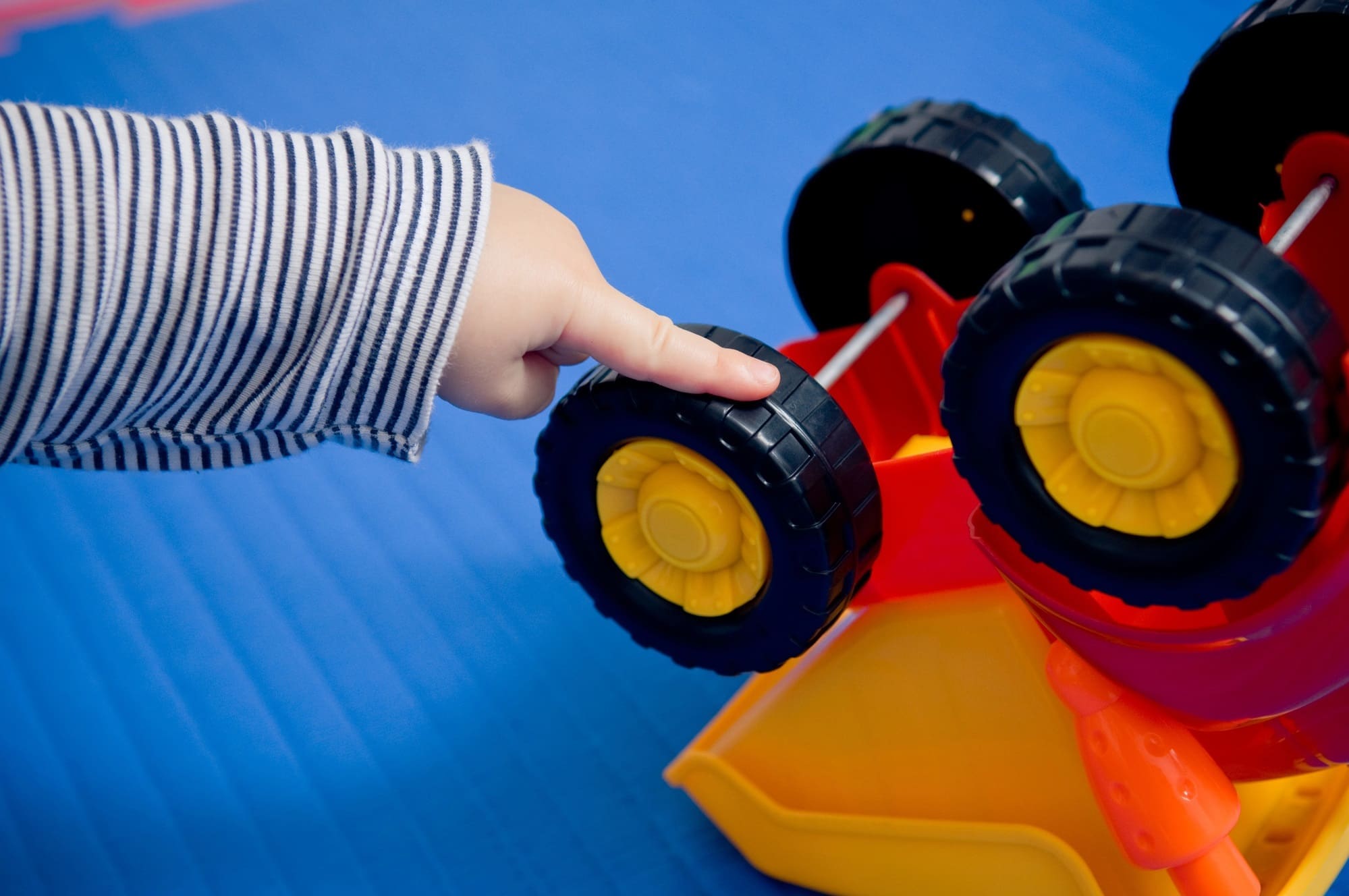
    Signs of autism spectrum condition include engaging in limited, repetitive behaviors, avoiding eye contact, and becoming fixated on a single object or topic. Obsessions with non-toy items, atypical play with toys (such as repeatedly spinning car wheels or lining up blocks), a propensity for order and regularity, and repetitive play are all examples of this behavior.

    According to the Autism Society, a child can be diagnosed with autism as young as 14 months. Early symptoms are more difficult to diagnose since they are characterized by a lack of typical behaviors rather than the presence of odd ones. This emphasizes the importance of identifying the problem and beginning treatment within the first year of life.

    Having a parent or sibling with ASD and having certain genetic abnormalities or being born prematurely increases a child’s likelihood of being diagnosed with ASD.

    With the help of a prompt diagnosis, a child’s parents and other caregivers can settle on the most effective course of treatment.

    Co-occurring Conditions and Healthcare Needs

    Individuals with autism often face a range of co-occurring conditions, such as epilepsy, depression, anxiety, and attention deficit hyperactivity disorder (ADHD), which can significantly impact their overall health and complicate their care.

    For example, the presence of anxiety or depression in autistic individuals not only affects their mental health but may also lead to physical health issues, underscoring the need for integrated care strategies.

    While it is unknown the exact cause of ASD, genetic and environmental variables seem to contribute to the vast diversity in the autism spectrum, and it is suspected that neurodevelopmental aspects are likely the primary cause of autism.

    Difficulties with Communication

    Autism spectrum disorder has been linked to several kinds of language and speech delays in children. Those on the autism spectrum may have trouble communicating and interacting with others.

    Sometimes, individuals may experience frustration and challenges with communication and self-advocacy, particularly in understanding the intentions and feelings of others through nonverbal cues and body language.

    Vocal and physical stereotypy can serve as a method for engaging with others, providing comfort, or coping with discomfort.  While not all individuals with autism will use these strategies, for those who do, it can be an important part of how they interact and express themselves.

    Some individuals may remain nonverbal or may develop speech abilities at a different pace compared to their peers.

    Sensory Sensivities and Regulation

    Autism can encompass a wide range of behaviors, including self-stimulatory behaviors, commonly referred to as “stimming.” Stimming behaviors vary and can include actions such as hand flapping, rocking, pacing, and repeating sounds, words, or phrases.

    These behaviors are often utilized by individuals with ASD or sensory processing regulation challenges as strategies to self-regulate and soothe.

    Our practice does not aim to stop stimming behaviors unless they are found to significantly disrupt the individual’s learning environment or are detrimental to their well-being – acknowledging the value they hold in their daily lives.

    Understanding and Self-Advocacy

    There is a lack of awareness regarding the challenges that autistic individuals face.  The inability to express needs or disagree with certain interventions can increase frustration and emotional distress.

    For instance, teaching an individual to use clear verbal or non-verbal communication to express disinterest or discomfort (“I need a break” or using a stop card) rather than resorting to throwing objects as a form of protest highlights the importance of functional communication as a form of self-advocacy.

    Ensuring that our clients can assertively communicate their needs, preferences, and boundaries is a fundamental objective of our interventions. The benefits are two-fold: it gives people the tools they need to be independent and acknowledges their rights to autonomy.

    Addressing non-compliance not as defiance but as a communicative act of withdrawing assent invites clinicians to recognize the behavior as a form of self-advocacy that emphasizes  the importance of understanding its underlying reasons.

    Whether it stems from task difficulty, emotional anxiety or physical discomfort, identifying the function of the behavior allows for more effective support strategies. Goals and interventions are co-created with respect for the individual’s voice and choice.

    Sacramento ABA Therapy provides a supportive framework that promotes understanding and respect. Through collaboration, empathy, and ongoing education, we can continue to advance our understanding and support of the autism community.

    Our Services

    • Autism Diagnosis
    • Blog
    • HIPAA Compliance
    • Parents and Guardians
    • Physician Referrals
    • What is Autism

    Get in Touch

    Use this secure form to ask your questions and inquire about services

    Contact us!

    Insurance Partners

    We are currently partnered with the insurance providers listed below and are planning to expand our coverage in the future. To avoid families paying for services out-of-pocket, we highly recommend that official diagnoses be provided by a licensed professional.

     
    Aetna_Logo_ss_Violet_RGB_Coated
    648c4338e0058c138df60362_beacon-logo-full-colour_1
    anthem
    logo
    Magellan-Logo
    MHN-Logo
    Optum(R)_RGB
    signa
    TRICARElogo
    united-healthcare-rehab-coverage-logo
    • 2035 Hurley Way, Suite 280 Sacramento,
      CA 95825
    • 916-318-0208
    • info@sacramentoabatherapy.com
    • 916-405-3460
    Useful Links
    • About Us
    • Services
    • Insurance
    • We're hiring
    • Contact Us
    • Blog
    Our Newsletter
    Facebook-f Instagram
    Facebook-f Twitter Linkedin-in Instagram
    • Non-discrimination Compliance
    • Terms of Use
    • Privacy Policy
    • Notice of Privacy
    • Patient Rights
    • Diversity Statement

    © 2024 Sacramento ABA Therapy, LLC. All rights reserved.

    X