

 The name throws people off a little, like it implies it’s all about job stuff. Occupational therapy has nothing really to do with employment. What it works with is occupation in the older sense of the word— the things that fill a person’s day.
For a child, that means getting dressed, eating, writing, playing, sitting through a lesson, moving through a grocery store without the whole world falling apart.
A lot of autistic kids find those things genuinely hard, not because of attitude or some missing effort, but because of how their nervous systems take in and process the world. That gap is what occupational therapy, or OT, is built to close.
Here’s a more plain look at what it actually involves, what Sacramento families can realistically expect from it, and how to track down someone who really knows what they’re doing.
How Does Occupational Therapy Help Autism?
The short version is, an occupational therapist sort of figures out what’s getting in the way, and then builds a plan to deal with it. The longer version is more like looking at a child’s sensory processing, motor coordination, self-care routines, and how they keep it together emotionally when things get stressful, after which they pull together a treatment plan that targets the exact patterns causing the difficulties.
Two kids with the same diagnosis might still have totally different OT aims. One kid may need help handling a loud classroom without tipping into sensory overload. Another might need to build fine motor control for holding a pencil the right way.
A third kid could use strategies for working through a change in routine without turning into a meltdown. OT really is tailored around the person, not the diagnosis.
Why Does a Child With Autism Need Occupational Therapy?
Sensory and motor differences are common enough on the spectrum that a lot of autistic kids end up needing OT at some point, even if the need isn’t immediately obvious from the outside. Some signs worth taking seriously:
- Strong reactions to sounds, lights, textures, or smells that don’t seem to bother other people
- Difficulty with fine motor tasks like cutting with scissors, drawing, or managing utensils
- Coordination or balance issues that sometimes get passed off as clumsiness
- Meltdowns that seem to be tied to specific places or environments rather than specific events
- Refusing clothes because of how they feel against the skin
- Routine tasks like getting dressed or brushing teeth turning into a daily battle
A behavior that looks like defiance from the outside is often a nervous system responding to input it genuinely can’t manage.
An OT evaluation in Sacramento ABA Therapy is usually the fastest way to figure out what’s actually going on.
Occupational Therapy Techniques for Autism
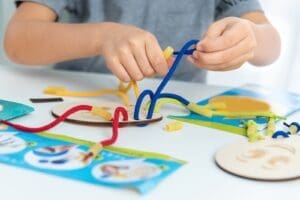 A good occupational therapist doesn’t really go in with the same method for every single child, like it’s a one-size-for-all thing. The toolbox is broad, and it’s basically what they pull out that changes depending on the kid sitting in front of them. And you can see a few of the more common techniques, like:
Sensory integration therapy. Structured play and tasks— swinging, brushing, weighted equipment, textured surfaces, and so on— that help the child’s nervous system sort through sensory information without pushing into that overload space
Motor skill development. Strength and coordination for hands, grips, and that whole “hands do stuff” area through activities that are often disguised well enough that the child doesn’t even notice it’s meant to be practice
Emotional regulation coaching. Helping the child recognize when they’re nearing their threshold, then reach for a coping strategy early, not after things have already gotten away from them— it can be physical, or sensory, or both, depending
Visual structure and routine support. Using schedules and visual cues so transitions feel more predictable, which usually means way less anxiety, almost automatically
Adaptive tools. Weighted utensils, pencil grips, specialized seating — low tech solutions, but sometimes they end up mattering more than anyone expects, honestly
Occupational Therapy Activities for Autism
What a session actually looks like varies, but some common activities include:
- Swinging and spinning on therapy equipment to build vestibular processing
- Obstacle courses designed around a child’s specific motor planning gaps
- Messy play with sand, shaving cream, or putty to build tolerance for textures
- Fine motor tasks like bead lacing or picking up small objects with tools
- Practicing daily living skills — shoe-tying, zippers, buttons — with patience and repetition
- Structured play scenarios that build sequencing and routine without pressure
A lot of this looks like play, particularly with younger kids. That’s intentional. Play is how children learn most efficiently at this stage, and a skilled OT from Sacramento ABA Therapy shapes the play deliberately to target exactly what that particular child needs to develop.
Occupational Therapy Goals for Autism
Goals get set for each child on their own, but most times they kind of drift into a handful of areas, like how well a child handles sensory input, how independently they manage self-care tasks, how those fine and gross motor skills are coming along, and how much they can actually join in school and social settings.
Short-term targets are usually pretty concrete, for example getting through a haircut without distress, managing buttons on their own, or staying at a table for the whole length of a classroom activity. And yeah, those little targets feed into bigger outcomes, over time.
One thing that’s worth knowing going in: progress in OT isn’t always a straight line. Sometimes improvements in one area, like regulation, make room for other stuff too, like social participation, and it can be surprising in a good way.
Benefits of Occupational Therapy for Autism
Families who stay consistent with OT in Sacramento ABA Therapy typically start noticing changes like:
- Fewer meltdowns in public, particularly in places with high sensory demand
- More independence around getting dressed, eating, and managing hygiene
- Handwriting that improves enough to reduce school frustration
- Less distress when routines get disrupted
- A broader willingness to try things that used to feel impossible
Those changes matter beyond the child. When a kid can sit through a haircut, handle a busy restaurant, or wear a new pair of shoes without a meltdown, daily life opens up in ways the whole family feels.
Choosing an OT Provider in Sacramento
When you’re looking around, a few things are worth checking before committing:
- Specific autism experience, not just general pediatric OT
- A clear explanation of how they involve parents in carrying strategies home
- Honest, measurable progress tracking instead of vague reassurance
- Regular coordination with your child’s other providers — ABA therapists, speech therapists, teachers
At Sacramento ABA Therapy, our occupational therapists work with autistic children throughout Sacramento on the sensory processing, motor skills, and daily living tasks that make the biggest difference at home and at school. If the signs on this page sound familiar, an OT evaluation is a practical next step. Get in touch with Sacramento ABA Therapy to schedule one.
Occupational therapy isn’t about changing who a child is. It’s about making sure the gap between who they are and what daily life demands of them gets smaller over time.
In Sacramento, families have real options for finding that support — the key is knowing what to look for.